How to Choose the Right Igloo Hotel in Lapland
I’ve spent the last three winters sleeping under glass ceilings in Finnish Lapland, and I’ve learned something crucial: not all igloo hotels are created equal. The difference between a magical night under the Northern Lights and a disappointing, overpriced experience often comes down to details most travel blogs never mention.
Let me share what I wish someone had told me before my first booking.
Understanding the Glass Igloo Reality: What They Don’t Tell You
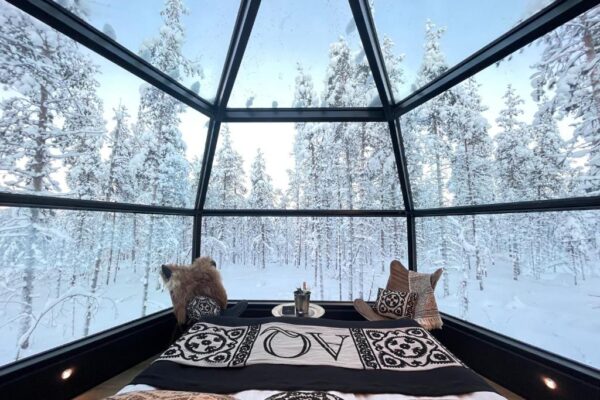
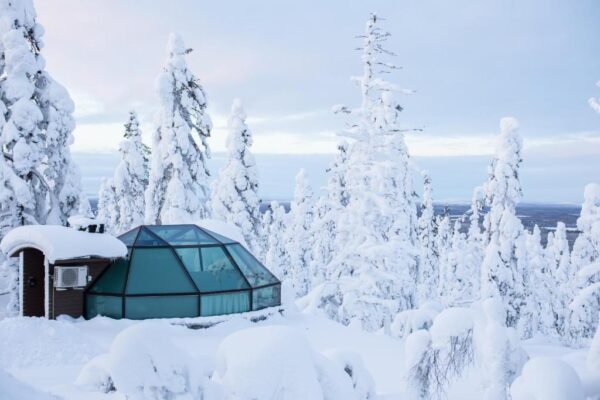
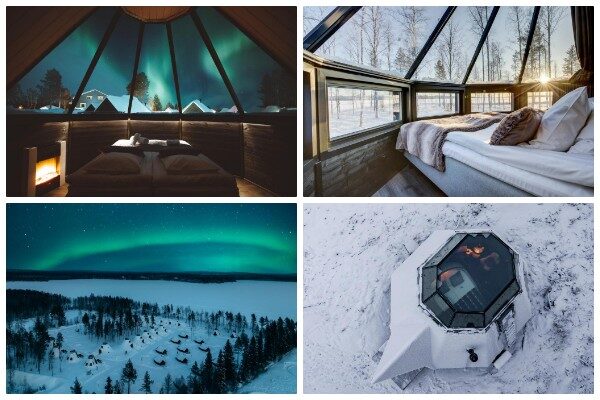
Here’s the truth about glass igloos that most marketing materials gloss over: you’re essentially sleeping in a fishbowl. During my first stay, I waved at a family walking past at 11 PM, both of us equally startled. This is the fundamental trade-off of igloo accommodations—you get unobstructed sky views, but you sacrifice the privacy of traditional hotel rooms.
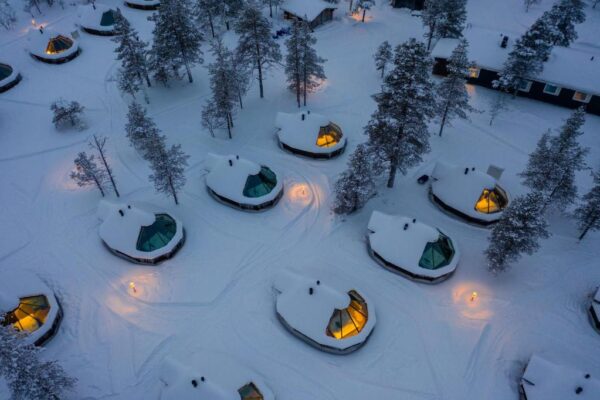
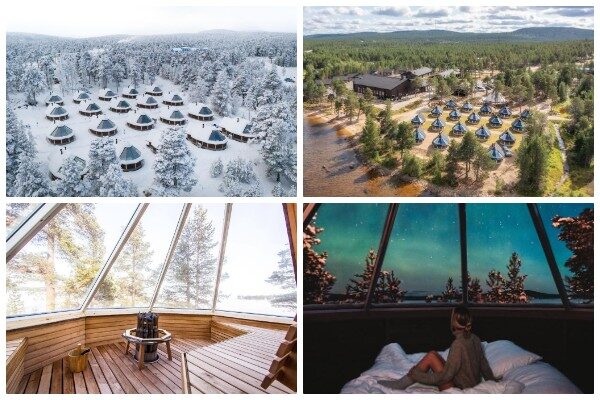
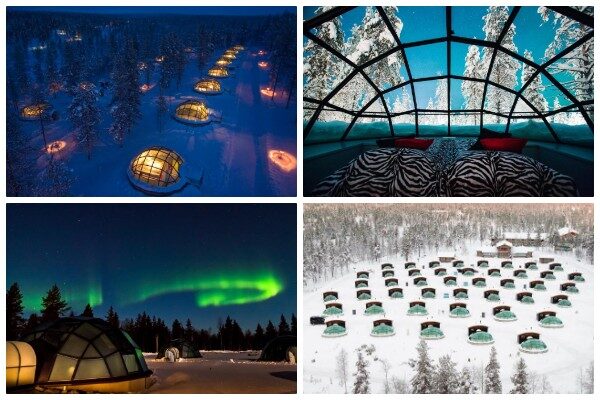
The «goldfish bowl effect» varies dramatically between properties. Some resorts space their igloos far apart with strategic landscaping. Others pack them close together, where you can practically see what your neighbors are having for their in-room breakfast. Before booking, always check the property layout on satellite imagery. I’m serious—this single step has saved me from several questionable reservations.
The Technical Specifications That Actually Matter
Not all glass is equal, and this is where inexperienced travelers get caught.
You need to understand two critical technologies:
- Laser-heated glass is the game-changer.
Standard insulated glass will fog up when the interior temperature meets cold exterior air, especially around -20°C or colder. I’ve stayed in igloos where I couldn’t see anything by midnight because of condensation. Laser-heated glass has microscopic heating elements embedded in the surface that prevent this entirely.
Always confirm this feature before booking—it’s the difference between watching the aurora and staring at a foggy ceiling.
- Aurora alarms are your insurance policy.
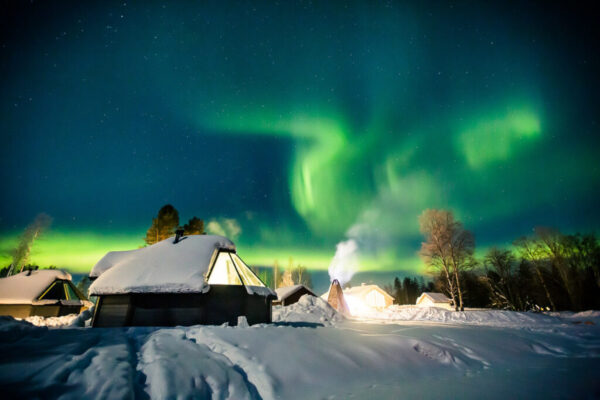
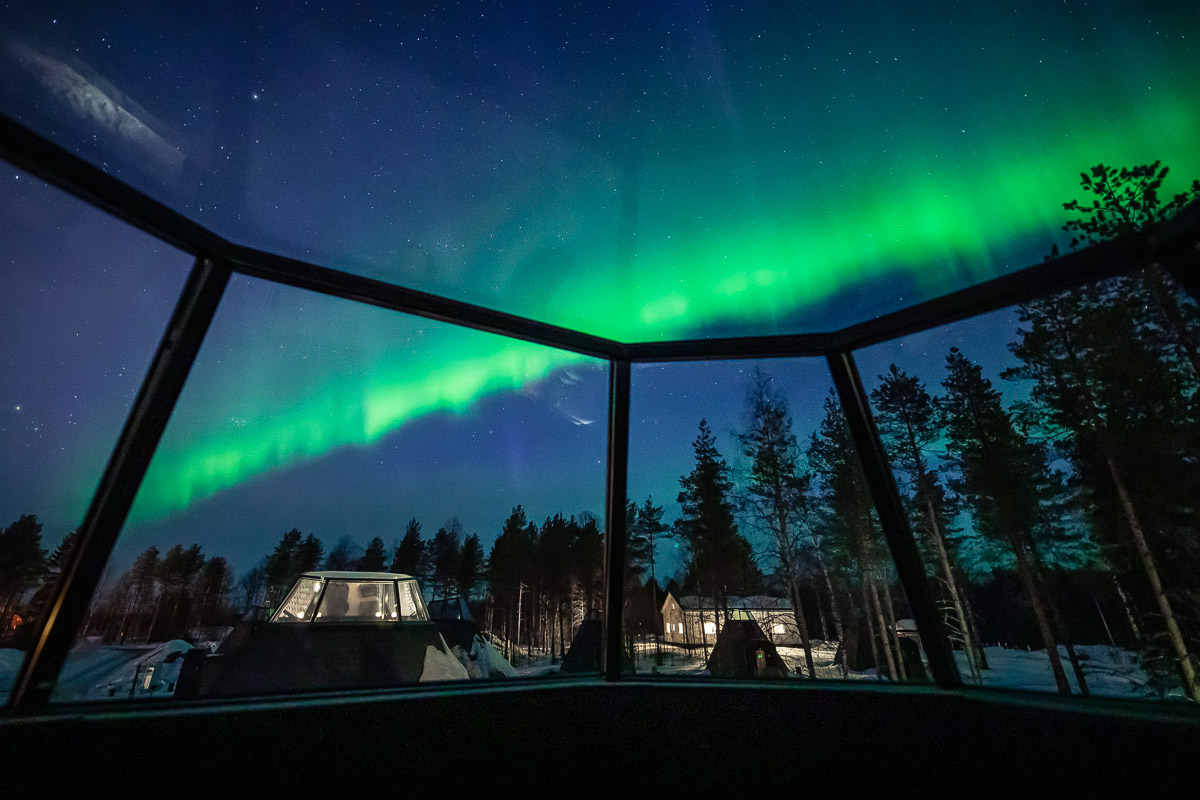
The Northern Lights don’t perform on schedule. Even during peak season, cloud cover can obscure them for days. The best properties monitor aurora activity and will gently wake you when there’s significant activity overhead. I’ve had staff knock on my door at 2 AM during a spectacular display I would have otherwise slept through. This service alone justifies premium pricing.
Geographic Location: Choosing Your Base
Lapland isn’t a single destination—it’s a vast region where location determines your entire experience. Each hub offers distinct advantages.
Rovaniemi sits on the Arctic Circle and serves as Lapland’s gateway. The accessibility is unmatched—direct flights from major European cities, extensive tour infrastructure, and the official Santa Claus Village. However, this convenience comes with crowds. The igloo resorts here are the most tourist-saturated, and you’ll share your Northern Lights viewing with significantly more people. Choose Rovaniemi if this is your only Lapland visit and you want maximum activity options beyond the igloo itself.
Levi is Finland’s premier ski resort, making it ideal if you want to combine glass igloo accommodation with winter sports. The town has proper infrastructure—restaurants, shops, and nightlife beyond your resort. The igloos here tend to be part of larger resort complexes with extensive amenities. I recommend Levi for families or groups who need variety and aren’t content with just aurora watching.
Inari represents the opposite extreme. This is deep wilderness territory, hours north of the Arctic Circle. The darkness here is more profound, the light pollution essentially zero, and your chances of seeing the aurora are statistically the highest in Finland. But understand what you’re signing up for: isolation, limited dining options, and weather that can be brutally cold.
Inari is for serious aurora hunters and those seeking genuine wilderness solitude.
Saariselka strikes the middle ground. It’s far enough north for excellent aurora chances but has more infrastructure than Inari. The fell landscape here is stunning, and many igloo properties are positioned on hillsides with expansive views. Saariselka works well for couples who want romance without complete isolation, or travelers who appreciate having backup plans when weather doesn’t cooperate.
Decoding Amenity Levels: When to Splurge
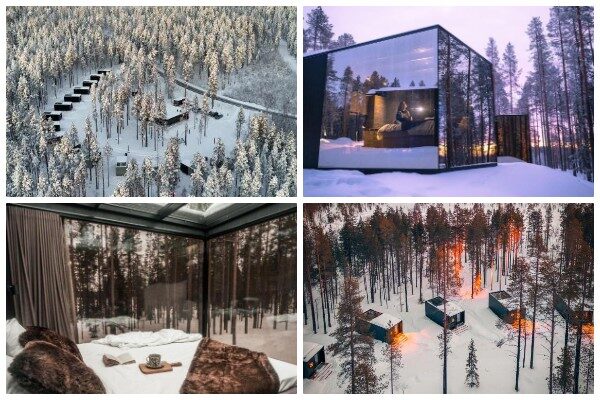
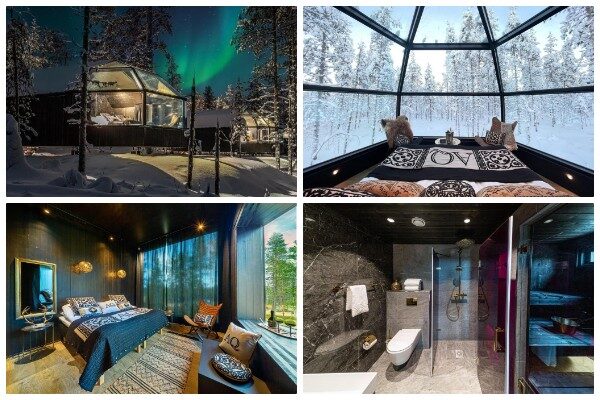
Glass igloos range from spartan pods barely larger than the bed to luxury suites with private saunas and outdoor hot tubs. Here’s how to decide what you actually need.
Basic pods (typically 15-20 square meters) work fine if you’re young, flexible, and planning to spend minimal time in the room. You’ll have the glass ceiling, a comfortable bed, and a tiny bathroom. What you won’t have is space to spread out, storage for winter gear, or privacy from your travel companion while getting dressed. I’ve done this—it’s manageable for two nights, but anything longer feels cramped.
Mid-range suites (25-35 square meters) add crucial comfort: a separate sitting area, proper storage, and often a better view orientation. This is the sweet spot for most travelers. You’re paying perhaps 30% more than a basic pod but getting double the livability.
Luxury suites with private saunas and hot tubs sound indulgent until you experience -25°C temperatures. Then they become practical. There’s profound pleasure in moving between a hot sauna and the freezing air while watching the aurora overhead. If your budget allows and you’re staying three or more nights, this upgrade transforms the experience from a one-time novelty into something genuinely restorative.
One amenity worth specifically seeking: a kitchenette or at least a proper coffee setup. Resort restaurants charge resort prices, and starting your morning with the ability to make your own coffee while watching the sunrise through the glass ceiling is worth the upcharge.
Seasonality: Autumn Glass Versus Winter Snow
Most people assume deep winter is the only time to visit, but I’ll let you in on a secret: autumn glass igloo stays offer something winter can’t replicate.
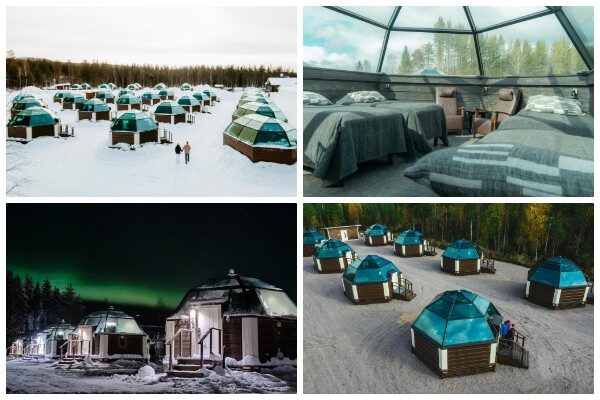
September through November, before heavy snow arrives, many igloos are positioned near lakes. The glass ceiling reflects not just the sky but the mirror-perfect water below, creating a double aurora effect when conditions align. The temperatures are manageable (-5°C to -10°C), you can actually move around outside comfortably, and the autumn colors against early snow are spectacular. The trade-off? Shorter periods of full darkness and slightly lower aurora probability.
December through March delivers the classic experience: deep snow, intense cold, and maximum darkness hours. The landscape becomes an alien winter world. But understand that this also means being effectively confined to indoor spaces during daylight hours, temperatures that can freeze your phone in minutes, and the physical challenge of moving around in extreme cold. The aurora probability peaks in February and March, but so does the cold—regularly hitting -30°C.
I generally recommend first-time visitors target late January or February for the optimal balance of aurora activity, manageable cold, and the full winter landscape aesthetic.
Pro Tips from Three Winters of Mistakes
Book the furthest igloo from reception. Every property has igloos closer and further from the main building. The distant ones cost the same but offer more privacy and less foot traffic from other guests.
Request east-facing orientation if available. You’ll get sunrise views through the glass, and in my experience, the pre-dawn sky colors are often more spectacular than the post-sunset ones.
Pack blackout eye masks. Even with curtains, glass igloos leak light. During full moon periods or if you’re sensitive to light, you’ll need this.
Verify the cancellation policy carefully. Lapland weather is unpredictable. I’ve had trips where heavy cloud cover meant no aurora possibility at all. Flexible cancellation—even if it costs more—is insurance worth having.
The Bottom Line
Choosing the right igloo hotel isn’t about picking the one with the most Instagram-worthy photos. It’s about matching the property characteristics to your specific priorities: privacy versus accessibility, basic authenticity versus luxury comfort, wilderness isolation versus activity options.
The travelers I see most satisfied are those who thought beyond the glass ceiling itself to consider the complete experience—the location’s aurora probability, the quality of the glass technology, the surrounding landscape, and their own tolerance for cold and isolation.
Do this homework before booking, and you’ll join the small percentage of visitors who return from Lapland saying the igloo exceeded their expectations rather than the larger group who found it overpriced or disappointing.
The Northern Lights don’t guarantee themselves to anyone. But choosing the right igloo hotel significantly improves your odds of being in the right place, awake at the right time, with clear glass between you and the sky when they decide to perform.